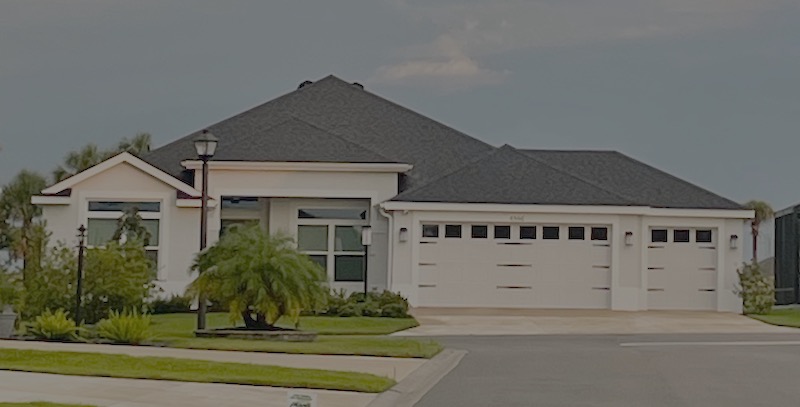
What’s Really Going on With Real Estate in The Villages?
Last updated January 2026, based on recent local listings and buyer behavior.
Short version: No, the market here isn’t crashing. But it is cooling — and sellers are feeling that shift more than buyers right now.
You’ve probably seen the headlines. Or maybe a YouTube video with big red arrows and the word “CRASH” in all caps. They’re everywhere lately, and The Villages often gets pulled into those stories.
But on the ground, what’s happening with real estate in The Villages looks less like a collapse and more like a market settling down after a rush — not falling apart. Prices are still high in some areas, but urgency has faded. Buyers have room to think. Sellers are adjusting to that change — some more easily than others.
Some homes are sitting longer. Others still sell quickly — especially if they’re priced right and in good shape. It’s a more selective market now, not a panicked one.
Just to be clear: I’m not a real estate agent, analyst, or investor. I live here. I pay attention to listings, talk to neighbors, and watch how things shift over time. That’s where this perspective comes from — not from charts or predictions.
What’s actually changing in the local market
The biggest difference right now is that the market no longer looks like it did from 2020 through 2022. During that stretch, low interest rates and a rush of buyers into Florida pushed prices up quickly, and homes often sold with little hesitation.
Today’s environment is slower and more selective. Mortgage rates are higher, buyers are taking their time, and homes that come out priced aggressively tend to sit. That doesn’t mean homes aren’t selling — it means pricing and condition matter again.
Corrective note: A slower market isn’t the same as a failing one — it often means the fundamentals are returning after a speculative surge.
Based on what we’re seeing locally, both things can be true at once: some homeowners who bought relatively recently have sold at a profit, while other listings nearby linger for months. In most cases, the difference comes down to price, updates, and location.
Why some listings move — and others don’t
A lot of online commentary treats the The Villages real estate market as if it moves in one direction all at once. In reality, homes here don’t behave uniformly.
Properties that are well maintained, reasonably updated, located in sought-after sections, and priced in line with current conditions are still finding buyers. Homes that were priced based on peak pandemic values — or that need noticeable work — are the ones struggling to gain traction.
That pattern isn’t unusual. It’s often how supply and demand starts to reassert itself after a fast run-up. For readers newer to the area, our guide to living in The Villages explains why neighborhood layout, home type, and age can affect value more here than people expect.
Did some buyers overpay during the boom?
Probably. That tends to happen in any market that heats up quickly.
Some buyers in 2021 and 2022 were counting on continued rapid appreciation. When prices flatten or soften, those buyers feel the pressure first — especially if they stretched financially or need to sell sooner than planned.
That experience can be uncomfortable, but it doesn’t automatically point to a broader collapse. Corrections after rapid growth are common in real estate cycles, and similar patterns are showing up across Florida. Statewide data from Florida Realtors shows signs of stabilization.
Healthcare, rules, and other recurring concerns
Online discussions about housing here often expand into concerns about healthcare access, HOA rules, insurance costs, or broader Florida risks like sinkholes. These are real considerations — but they’re not new developments.
Anyone thinking about a move should understand how life in The Villages works day to day, including amenities, governance, and long-term costs. Our OnlyVillages guides focus on those tradeoffs without sugarcoating them.
For many current residents, the overall lifestyle — recreation centers, golf, social clubs, town squares, and walkability — still carries weight in the decision to stay. Readers unfamiliar with how the community works day to day may find our Visitor Guide to The Villages helpful for basic orientation.
So is the market “crashing”?
From a local perspective, this looks more like a reset than a collapse.
The market has shifted from fast appreciation and urgency to one where buyers pause and sellers need to be realistic. That change is harder on people who bought at the top and want to sell quickly. It’s less dramatic for homeowners planning to stay and enjoy the lifestyle.
The bottom line is fairly simple: the The Villages real estate market isn’t easy money anymore, but it isn’t empty either. Homes are still selling. Others are adjusting. And as always here, the details matter more than the headlines.
If you’re following the market, the most useful approach is to look at specific neighborhoods and recent sale prices — not broad claims designed to grab attention.

Author: Dave
Join 560+ local insiders
Have Guests Visiting The Villages?
I put together a free 2026 insider guide that makes hosting easy — with dining ideas, Eastport highlights, scenic walks, day trips, and ready-to-use itineraries. It’s sent instantly by email.
Get the Free Visitor GuideRead by 560+ Villagers — no spam, just local tips and updates.
Leave a Reply
You must be logged in to post a comment.